Velveting
The Chinese restaurant secret for impossibly tender chicken, beef, and shrimp — a thin starch coating that shields protein from high heat and locks in moisture.
What It Is
Velveting (上浆, shàng jiāng) is a Chinese cooking technique where protein — typically chicken, beef, pork, or shrimp — is coated in a thin mixture of cornstarch (often with egg white and sometimes a splash of oil or rice wine) before cooking. The coating creates a protective barrier that insulates the meat from direct heat, preventing the proteins from seizing up and squeezing out moisture. The result is the impossibly silky, tender texture you get at Chinese restaurants but can never seem to replicate at home.
It’s the single biggest reason restaurant stir-fry meat tastes fundamentally different from home-cooked versions. The technique has been standard in Chinese professional kitchens for centuries and is used in virtually every stir-fry that contains sliced or diced protein.
Why It Works
When protein is exposed to high heat without protection, the muscle fibers contract rapidly, squeezing out water like wringing a sponge. This is why home stir-fry chicken often comes out tough, dry, and rubbery — the pan is hot enough to sear, but the bare protein can’t handle the intensity.
The starch coating changes the physics. Cornstarch granules absorb moisture from the meat’s surface and swell when heated, forming a gel barrier around each piece. This barrier does three things:
- Insulates the protein from the most intense heat, slowing the rate of contraction
- Traps moisture against the surface instead of letting it escape as steam
- Creates texture — the gelatinized starch produces that characteristic silky, slightly slippery mouthfeel
The result is meat that cooks through gently even in a screaming-hot wok, staying tender and juicy while still picking up flavor from the sauce.
The Three Methods
Dry Cornstarch (Simplest)
Toss sliced protein in 2–3 tablespoons of cornstarch until every surface is coated. No egg, no liquid. This is the most common method in Chinese-American cooking and works well for soups (the starch releases into the broth, adding subtle body) and simple stir-fries. It’s what most home cooks should start with.
Water Velveting (Best for Home Cooks)
Marinate sliced protein in a mixture of 1 egg white, 1 tablespoon cornstarch, 1 tablespoon rice wine (or dry sherry), and a pinch of salt. Let sit 20–30 minutes. Then blanch in a pot of water at 180–190°F for 30–60 seconds until the outside turns opaque but the inside is still slightly raw. Drain immediately. The protein finishes cooking when added to the stir-fry.
Water velveting is the home cook’s best friend because it doesn’t require the large volume of oil that restaurants use. The results are nearly identical to the restaurant method.
Oil Velveting (Restaurant Method)
Same marinade as water velveting, but instead of blanching in water, the protein is passed through 2–3 cups of moderately hot oil (275–325°F) for 15–30 seconds. The oil cooks the coating faster and more evenly than water, producing the most refined texture. This is standard practice in Chinese restaurant kitchens, where a deep wok of oil is kept hot throughout service.
Most home cooks avoid this method because of the large amount of oil required, but the protein actually absorbs very little — the starch coating acts as a barrier in both directions.
Common Applications
- Stir-fries: Any recipe with sliced chicken, beef, pork, or shrimp benefits from velveting before wok-frying
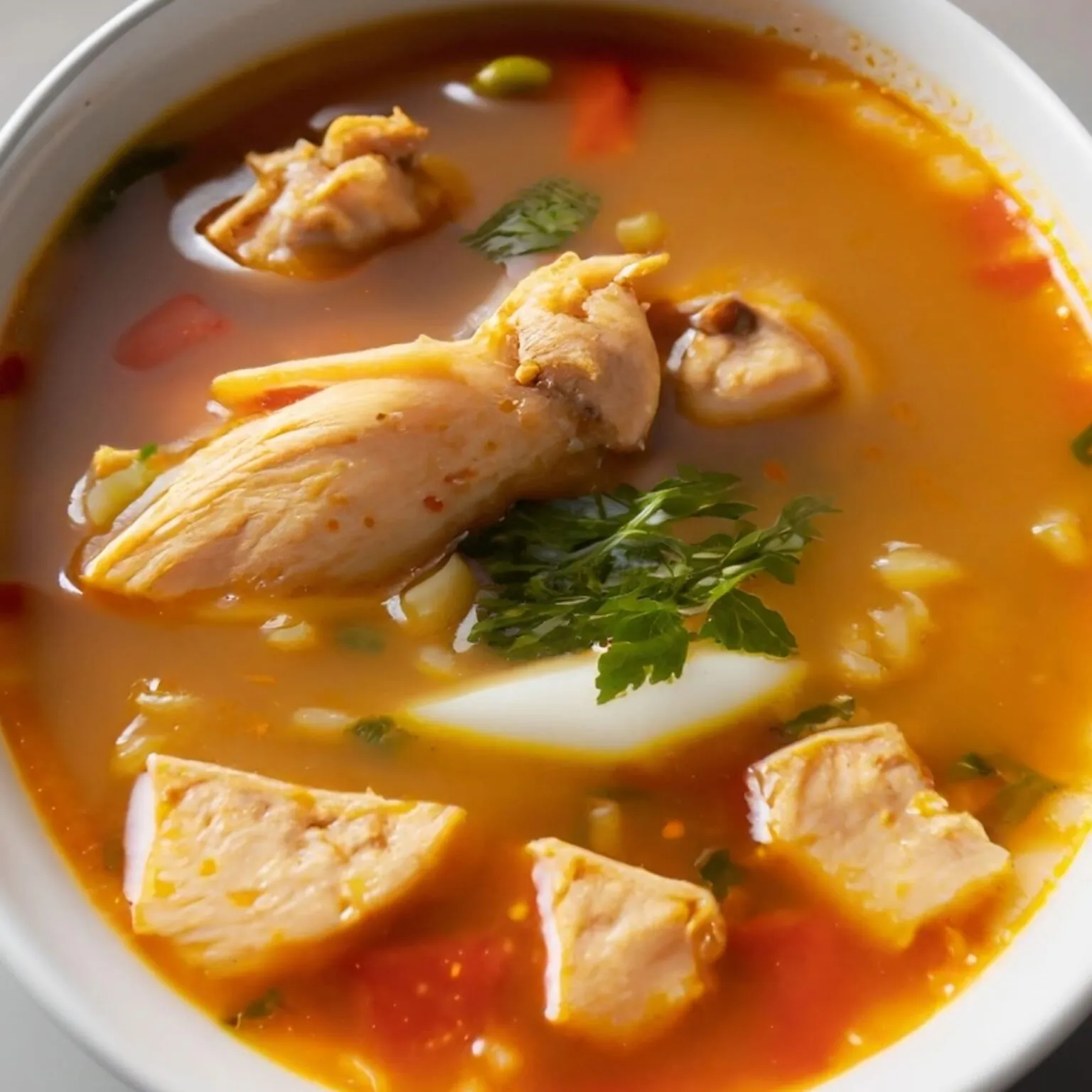
- Soups: Cornstarch-coated chicken poached gently in broth produces silky strips and adds subtle body to the liquid
- Kung Pao chicken, Mongolian beef, cashew chicken: These Chinese-American classics all rely on velveting
- Mapo tofu: Ground pork is often velveted before being added to the sauce
Common Mistakes
- Skipping the resting time — if using the egg white marinade, the protein needs 20–30 minutes for the coating to adhere properly. Rushing it means the coating slides off in the wok
- Oil or water too hot — boiling water (212°F) or very hot oil (above 350°F) cooks the protein too aggressively, defeating the purpose. Keep water at a gentle simmer, oil at 275–325°F
- Overcrowding the wok — adding too much velveted protein at once drops the temperature and causes steaming instead of searing. Work in batches
- Cutting protein too thick — velveting works best on thin slices (¼ inch) or small dice. Thick pieces won’t cook through properly in the brief blanching step
- Using too much cornstarch — the coating should be thin and even, not clumpy. Two tablespoons per pound of protein is the right ratio for dry velveting
- Forgetting to pat dry after water blanching — excess water on the protein will cause spattering and steaming when it hits the hot wok