Two-Zone Fire
The single most important grill setup — banking coals to one side to create a hot direct zone and a cooler indirect zone, giving you the control to sear, roast, and smoke on the same grill.
What It Is
A two-zone fire is a grill setup where all the heat source (charcoal or gas burners) is concentrated on one side, leaving the other side empty. This creates two distinct cooking zones: a direct zone directly over the heat for searing, and an indirect zone away from the heat for gentle roasting and smoking. It’s the difference between a grill that can only do one thing and a grill that can do everything.
Every serious grilling recipe assumes this setup. Without it, you’re stuck choosing between scorching the outside or undercooking the inside. With it, you can sear a steak to build a crust, then slide it to the cool side to finish to temperature — or smoke a chicken at 300°F for two hours with the lid closed, using the grill as an outdoor oven.
Why It Matters
Direct heat alone works for thin, fast-cooking items — burgers, hot dogs, kebabs. Anything thicker than an inch runs into problems: the surface burns before the center cooks through. This is because direct radiant heat from coals reaches 500–700°F, far too intense for sustained cooking.
The indirect zone solves this. With the lid closed, hot air circulates around the food by convection — the same principle as an oven. Temperatures on the indirect side typically range from 250–375°F, depending on how much charcoal you use and how you manage the vents. The lid turns your grill into a smoker, a roaster, or a low-and-slow barbecue pit.
How To Set It Up
Charcoal Grill
Light a full chimney of charcoal. When the coals are fully ashed over (covered in gray ash, glowing orange underneath), pour them onto one half of the charcoal grate, banking them against the side. Leave the other half completely empty. Replace the cooking grate. You now have:
- Direct zone (hot side): 450–700°F directly over the coals — for searing, charring, and browning
- Indirect zone (cool side): 250–375°F with no coals underneath — for roasting, smoking, and finishing
For lower temperatures (smoking range, 225–275°F), use fewer coals — about half a chimney — and close the bottom vents to roughly 25% open.
Gas Grill
Turn on the burners on one side to medium-high or high. Leave the burners on the other side completely off. Close the lid. The lit side is your direct zone; the unlit side is your indirect zone. Gas grills are easier to control but produce less flavor — no smoke unless you add a smoke box.
Temperature Control
The two tools for controlling temperature are vents and fuel:
- Bottom vents control airflow to the coals. More air = hotter fire. For high heat, open them fully. For smoking temperatures, close them to 25% open.
- Top vent should stay fully open in almost all cases. Closing it starves the fire of oxygen and can create creosote (bitter, acrid smoke). The top vent is your exhaust — position it over the food so smoke flows across the meat before exiting.
- Adding fuel: For long cooks (over an hour), add 8–10 unlit briquettes to the hot side every 45 minutes. They ignite from the existing coals and extend your burn time without temperature spikes.
A grill thermometer at grate level on the indirect side is essential for maintaining target temperatures. The lid thermometer reads dome temperature, which can be 50–75°F higher than grate level where the food actually sits.
Common Applications
- Thick steaks: Sear over direct heat for 2 minutes per side, then move to indirect to finish to your target internal temperature without charring
- Bone-in chicken: Start on indirect until nearly done, then finish over direct heat for crispy skin
- Jerk chicken / barbecue: Cook entirely on indirect with wood chips on the coals for smoke, basting periodically
- Roasted vegetables: Place a sheet pan on the indirect side with the lid closed — convection roasting
- Reverse sear: Start thick cuts on indirect until 10–15°F below target, then blast over direct for a final crust
The Science
Direct heat transfer happens primarily through thermal radiation — infrared energy radiating from the hot coals to the food’s surface. This is extremely intense (inverse square law — doubling the distance quarters the intensity) and creates the Maillard reaction and caramelization responsible for seared crusts.
Indirect heat transfer happens through convection — hot air rising from the coals, circulating under the closed lid, and flowing over the food. This is gentler and more uniform, cooking food from all sides simultaneously. The closed lid is critical: without it, hot air escapes upward and the indirect zone barely heats at all.
When you add wood chips to the coals, the smoke compounds deposit on the food’s surface through thermophoresis — smoke particles naturally migrate from hot air to the cooler surface of the meat, where moisture acts as a solvent to absorb them. This is why smoking works best during the first hour of cooking, while the surface is still moist.
Common Mistakes
- Not enough coals on the hot side — a thin, spread-out layer gives weak searing heat. Bank them tight and tall for maximum radiant intensity
- Peeking constantly — every time you lift the lid, you lose 50–75°F of accumulated heat and extend your cook time. If you’re looking, you’re not cooking
- Closing the top vent — this suffocates the fire and creates bitter creosote smoke. Keep it open
- Food too close to the coal line — items placed right at the border between zones get uneven cooking. Keep indirect items at least 3–4 inches from the edge of the coals
- Not preheating the grate — put the cooking grate on and close the lid for 5 minutes before adding food. A hot grate prevents sticking and creates better grill marks
- Ignoring the wind — wind blowing into an open vent supercharges the fire. Position the grill so bottom vents face away from prevailing wind, or adjust vent openings to compensate
Related Techniques
Recipes Using This Technique

Jamaican Jerk Chicken
The real thing — allspice-scotch bonnet-thyme paste marinated 24 hours, scored to the bone, smoked over pimento wood on a charcoal grill, and chopped into rustic pieces with deeply charred bark.
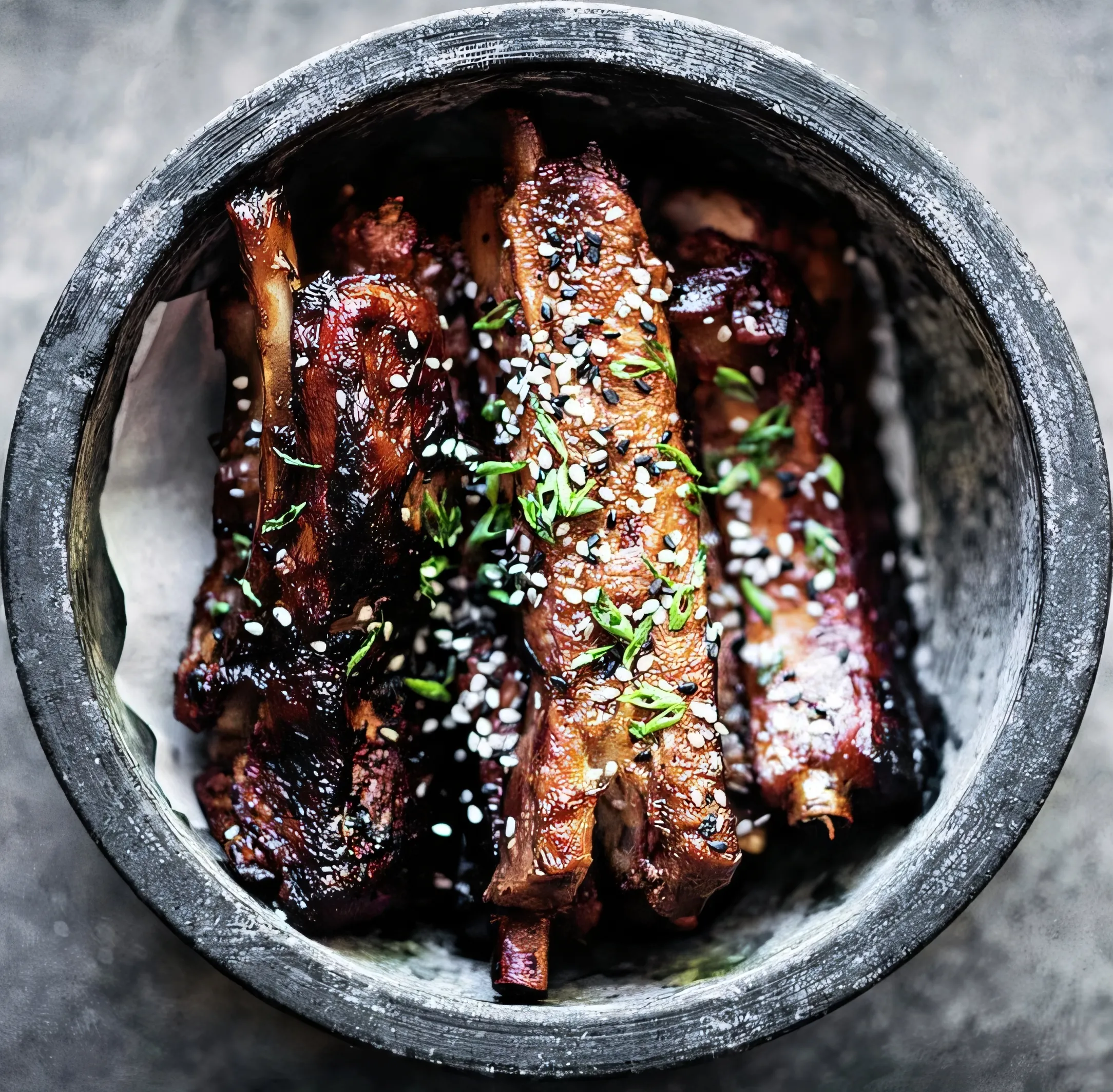
Spicy Pork Belly Yakiniku
Korean-Japanese fusion — thin-sliced pork belly in a gochujang-miso marinade with dual-chili heat, grated pear tenderizer, and charcoal-grilled edges that caramelize without burning.