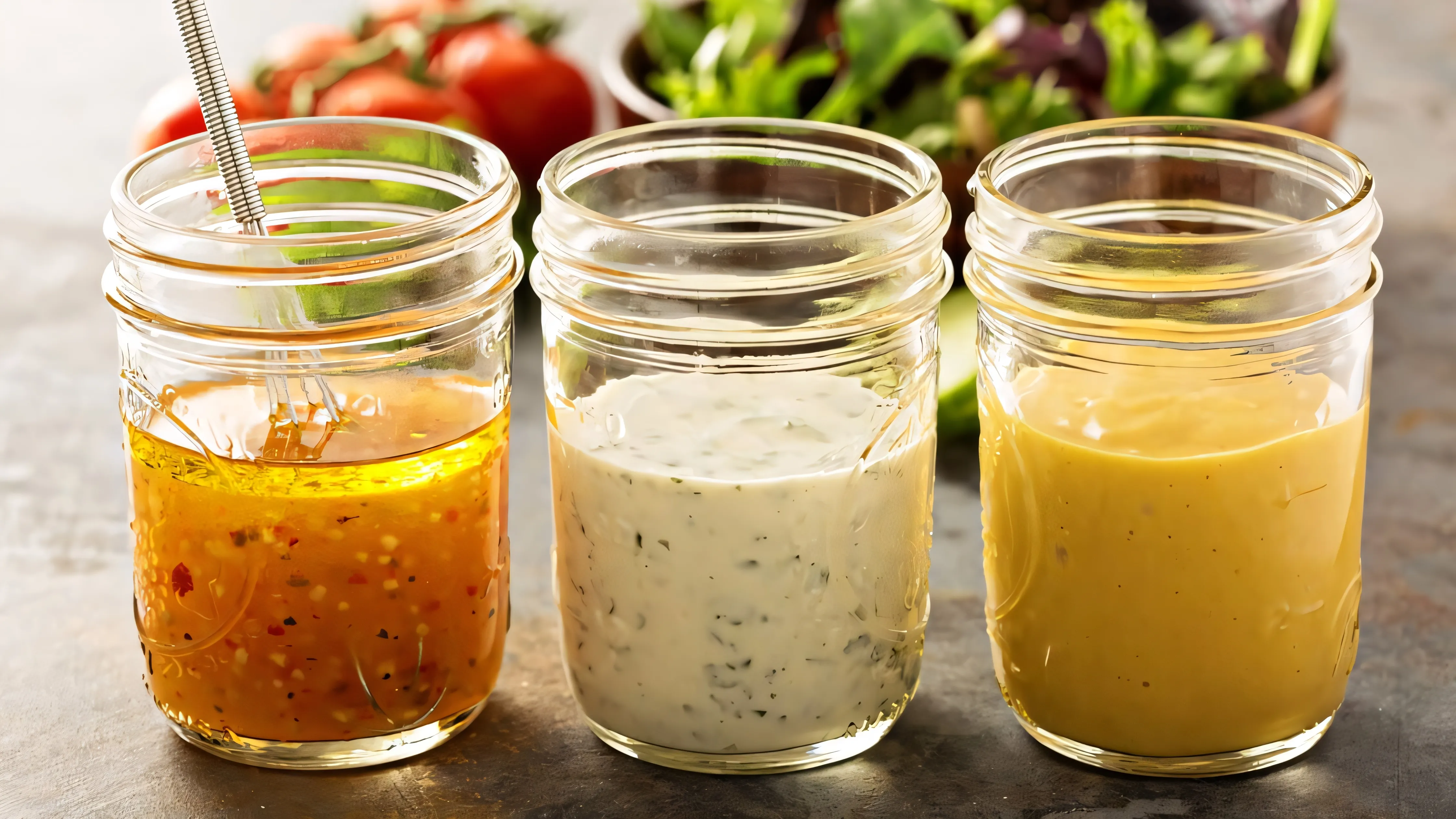
Emulsification
Combining fat and water into a stable, creamy mixture that doesn't separate.
What It Is
An emulsion is a stable mixture of two liquids that normally refuse to combine — almost always fat and water. One liquid is broken into microscopic droplets and dispersed throughout the other. Mayonnaise, vinaigrettes, hollandaise, the silky coating on properly sauced pasta, and the smooth richness of butter chicken are all emulsions.
Two things make an emulsion work: mechanical action (whisking, blending, tossing) to break one liquid into tiny droplets, and an emulsifier — a molecule with one end that loves water and another that loves fat — to coat those droplets and keep them from clumping back together. Without an emulsifier, even vigorous whisking produces only a temporary mixture that separates within minutes.
There are two types in the kitchen. Oil-in-water emulsions (oil droplets in water) include mayonnaise, hollandaise, most pan sauces, and cream-based curries. Water-in-oil emulsions (water droplets in oil) include butter and ganache.
Why It Matters
Without emulsification, fat and water separate. Your butter chicken breaks into pools of grease floating on watery tomato sauce. Your vinaigrette splits into oil sitting on top of vinegar. Your pan sauce becomes puddles of butter and stock.
Understanding emulsification means understanding how to create sauces with body, creaminess, and a unified texture. In dishes like butter chicken, the entire character of the sauce — that glossy, velvety, restaurant-quality richness — comes from properly emulsifying butter and cream into the tomato base.
How To Do It
-
Know your emulsifier — different dishes use different stabilizers:
- Egg yolks (lecithin + proteins): The most powerful kitchen emulsifier. Harold McGee notes that a single yolk can theoretically emulsify a dozen cups of oil. Used in mayonnaise, hollandaise, and carbonara.
- Mustard: The dissolved mucilage from mustard seeds coats oil droplets. Even a teaspoon dramatically stabilizes vinaigrettes.
- Starchy pasta water: Starch physically impedes fat molecules from coalescing. Kenji Lopez-Alt recommends cooking pasta in less water to concentrate the starch — restaurants use the same water all night for this reason.
- Cashews and nuts: Ground cashew paste acts as both thickener and emulsifier in Indian curries. The natural fats and proteins help stabilize fat-water mixtures, giving butter chicken its characteristic silky body.
- Gelatin (from reduced stock): Gives pan sauces their glossy body and holds butter emulsions together.
-
Add fat slowly at the start — the first few tablespoons of oil must be drizzled in while whisking constantly. Each drop must be broken into tiny droplets and coated by the emulsifier before more oil arrives. Once the initial emulsion forms, you can increase the rate.
-
Use vigorous mechanical action — whisking, blending, or aggressive tossing breaks large droplets into small ones. The smaller the droplets, the more stable the emulsion. Gentle stirring won’t cut it. For mayo, an immersion blender placed at the bottom of a jar, blended on high without moving for one minute, produces a perfect emulsion every time.
-
Control temperature carefully — most emulsions are temperature-sensitive:
- Hollandaise is stable between 145-155°F. Above 180°F, the egg proteins scramble and the sauce breaks.
- Butter chicken and cream curries: never boil after adding dairy. Let the sauce cool 2-3 minutes before stirring in butter and cream. Cold dairy into a screaming-hot pan causes temperature shock — proteins tighten and curdle. Full-fat dairy is more stable than low-fat.
- Carbonara: toss off heat. The residual warmth is enough.
- Vinaigrettes: stable at room temperature.
-
Use the right ratios — too much fat relative to emulsifier overwhelms the system. For vinaigrettes, a 3:1 oil-to-vinegar ratio is standard. For mayo, one yolk per cup of oil.
How To Fix a Broken Emulsion
If your sauce separates, don’t panic. Several rescue methods work:
- Add a splash of liquid and whisk hard — 1-2 teaspoons of water, wine, or vinegar, whisked vigorously, often tightens a sauce within seconds.
- Fresh egg yolk method — whisk one yolk with a tablespoon of liquid in a clean bowl, then slowly whisk the broken sauce into it, a teaspoon at a time.
- Ice cube for overheated sauces — remove from heat immediately and whisk in an ice cube. The cold water provides extra liquid and the temperature drop helps re-solidify emulsifier films.
- Cold butter for butter sauces — gradually whisk in small cubes of cold butter while stirring continuously.
- Immersion blender — high-speed blending can physically force ingredients back into emulsion. Works well for cream sauces, cheese sauces, and broken curries.
Common Mistakes
- Adding fat too fast — especially for mayo, hollandaise, and aioli. Start with drops, then a thin stream. Overwhelming the emulsifier is the most common cause of breaking.
- Too much heat — denatures protein emulsifiers (scrambles eggs in hollandaise), causes dairy to curdle in curries. For butter chicken specifically: adding butter and cream before pressure cooking causes them to separate into a greasy mess. Always add dairy after cooking, off the heat.
- Temperature shock — cold dairy straight from the fridge into a hot pan causes curdling. Let ingredients approach similar temperatures before combining.
- Not enough emulsifier — fat and water won’t stay mixed without something holding them together. Starch, egg yolk, mustard, cashew paste — these are not optional.
- Using low-fat dairy — higher fat content means more stability. Low-fat milk and yogurt break more easily than their full-fat counterparts.
- Over-reducing a sauce — driving off too much water forces fat out of the emulsion, creating a greasy separated layer. If the sauce is thickening too fast, add a splash of liquid.
Related Techniques
Recipes Using This Technique
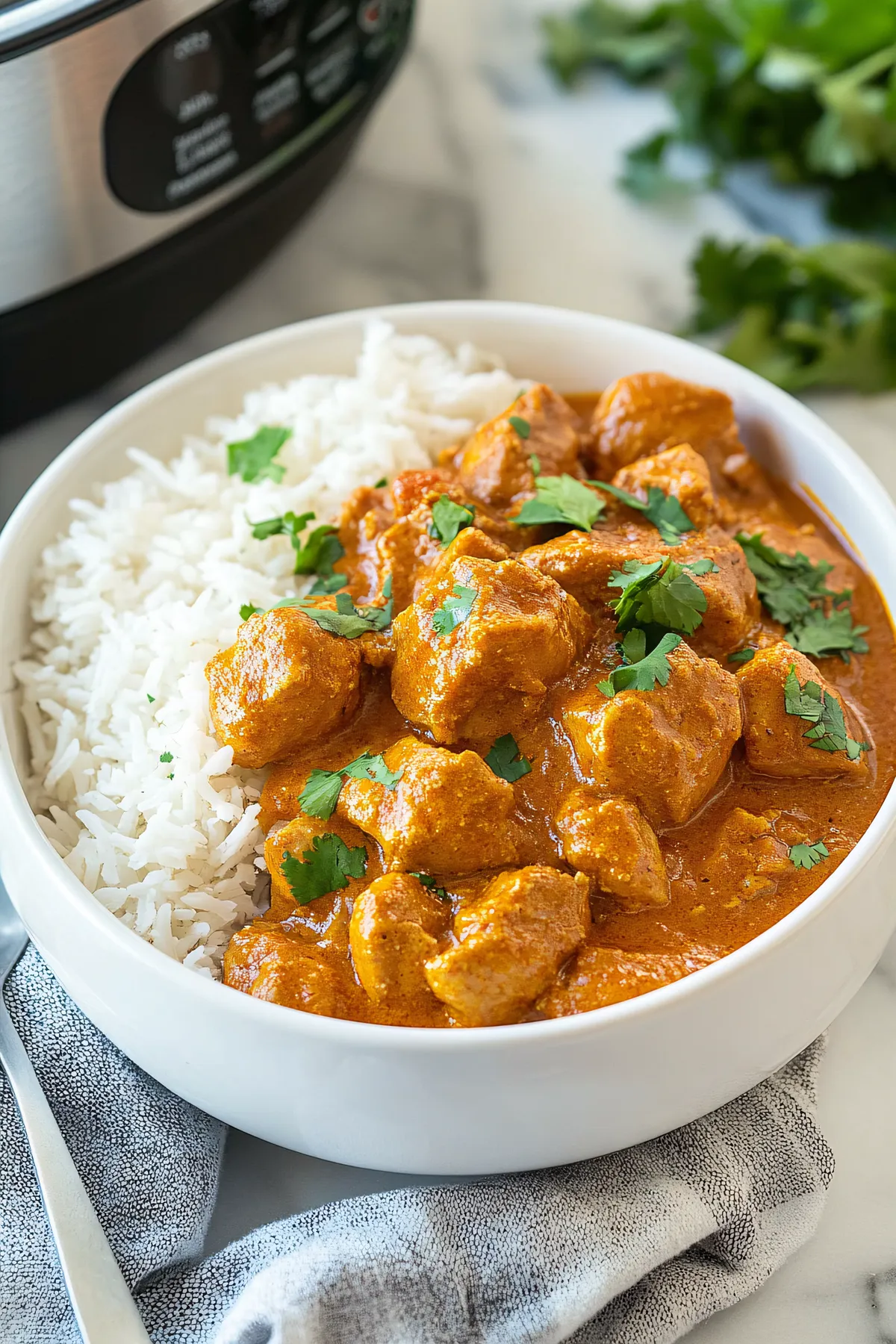
Instant Pot Butter Chicken
Murgh makhani made in the Instant Pot — bloomed spices, cashew-thickened sauce, and kasuri methi for authentic restaurant depth.
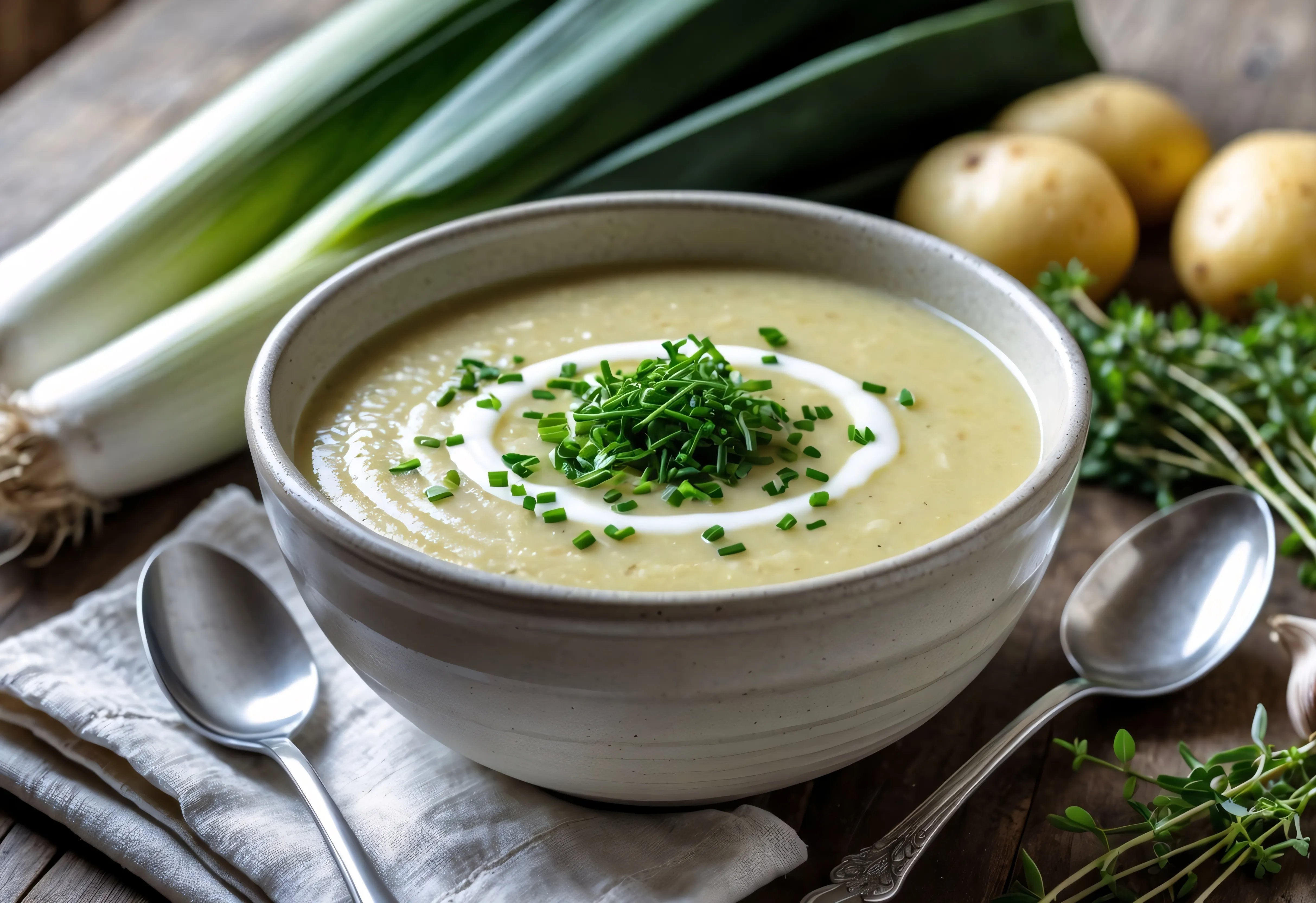
Potato Leek Soup
Potage Parmentier — patient leek sweat in butter, Yukon Golds simmered in leek-top broth, blended with restraint, finished with buttermilk and nutmeg for a tang that cream alone can't provide.